
The Polluter Exclusion Rule: How to Ensure Your SPV Qualifies for Land Remediation Relief
Find out more
The statutory framework behind Land Remediation Relief (LRR) is designed to incentivise developers to clean up brownfield sites. However, Section 1150 of the Corporation Tax Act 2009 contains a key restriction known as the Polluter Exclusion Rule.
Understanding this restriction is essential when structuring land acquisitions and corporate SPVs to prevent HMRC from disallowing your claim.
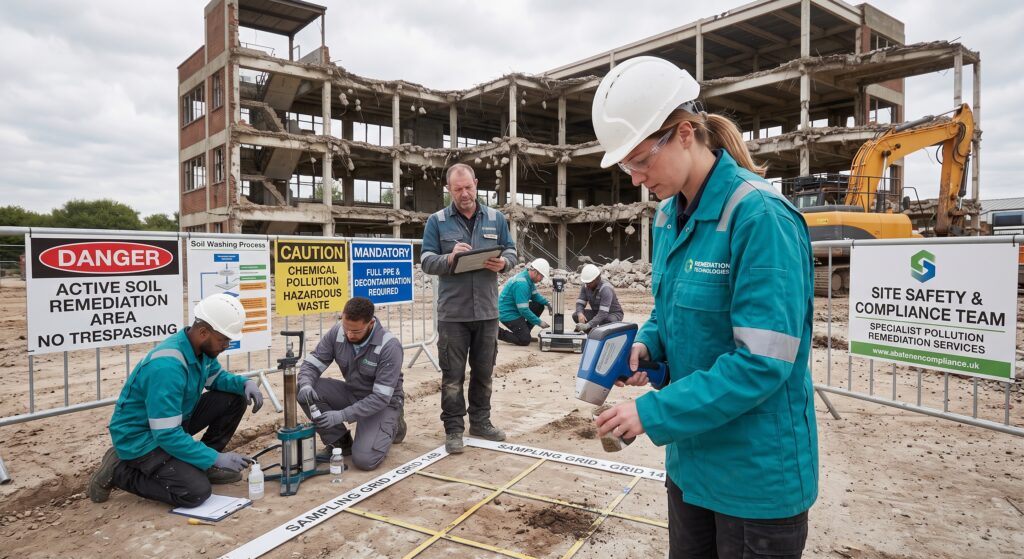
The Core Principle: Polluter Pays
The Polluter Exclusion Rule states that Land Remediation Relief cannot be claimed by a business that caused or knowingly permitted the original site contamination or dereliction.
Entity Caused Contamination ➔ Acquires / Cleans Site ➔ ❌ LRR CLAIM DISALLOWED
Entity Unconnected to Contamination ➔ Acquires Site ➔ Cleans Site ➔ ✔ 150% LRR CLAIM ALLOWED
Navigating Connected Parties and SPV Group Structures
Where land acquisitions involve corporate restructures or connected entities, the Polluter Exclusion Rule requires careful attention:
- Connected Entities: If Company A caused site contamination, a connected group entity (Company B or a new SPV) cannot acquire the land and claim LRR.
- Pre-Acquisition Knowledge: Simply acquiring contaminated land does not make you the polluter. As long as your business had no operational involvement in creating the hazard prior to acquisition, you meet the requirement.
- Vendor Indemnities: If the site vendor cleans the site under a contract paid for by the purchaser, care must be taken to structure contracts so the purchaser retains the legal right to the cleanup spend.
Key Verification Steps Before Filing an LRR Claim
To ensure your claim withstands HMRC scrutiny, confirm the following compliance checks:
Compliance Check | Required Evidence |
Historic Site Ownership | Title register deeds showing your business had no prior interest when contamination occurred. |
Environmental Report Baseline | Phase 1 & Phase 2 Environmental Site Assessments documenting site conditions at purchase. |
Vendor Independence | Proof that the site vendor is an arm’s-length third party with no corporate connection. |
Case Study: Corporate Restructure Pitfall Averted
A commercial property group intended to redevelop a former manufacturing depot owned by an operating subsidiary since 1985. The original business had deposited solvent residues on site. The group planned to transfer the land to a new development SPV and claim £180,000 in soil remediation relief.
During pre-claim review, SeederHeights identified that the new SPV was a connected party to the original polluter, which would trigger the Polluter Exclusion Rule. We advised the client against filing an invalid claim, redirecting focus to legitimate structural building allowances and saving the client from HMRC penalties.
Ready to Maximise Your Land Remediation Relief?
Book a free 15-minute review with our specialist team. We’ll assess your eligibility and help you claim back your restoration costs—with zero hassle.