
Managing Working Capital in Manufacturing: Releasing Cash Tied Up in Stock and Supply Chains
Find out more
For manufacturing and assembly businesses, cash flow issues are rarely caused by a lack of sales. Far more often, cash is trapped on the factory floor in raw material inventory, work-in-progress (WIP), and uncollected customer receivables.
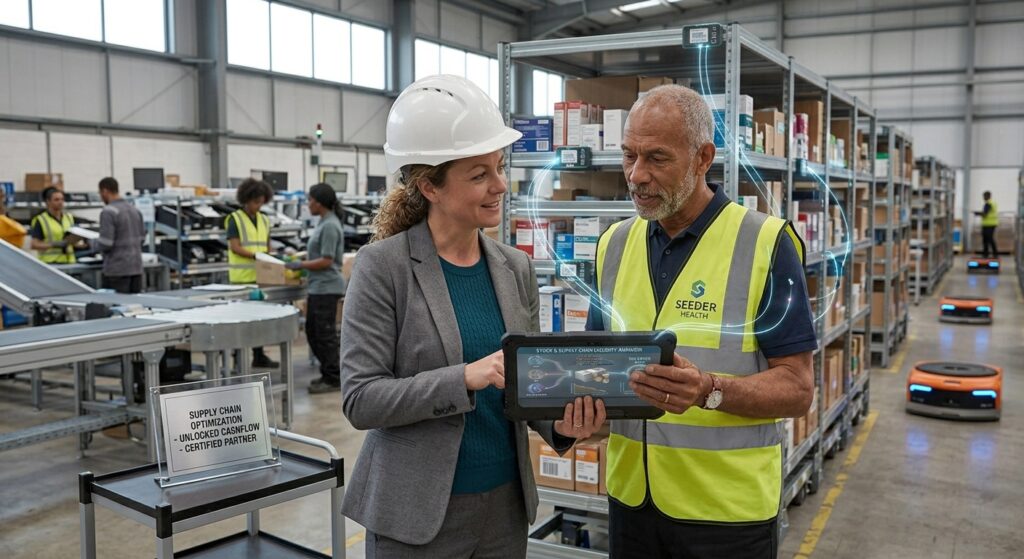
Strategies to Reduce Days Inventory Outstanding (DIO)
Categorise Stock by Velocity: Apply ABC inventory analysis to separate high-velocity, fast-moving stock from slow-moving raw materials.
Establish Re-Order Triggers Based on Lead Times: Connect inventory tracking directly to sales pipelines to prevent over-purchasing raw materials.
Isolate and Reclaim Scrap Waste: Track scrap metal, resin offcuts, and setup waste in real time to capture eligible costs under R&D tax relief.
Optimising working capital requires managing the Cash Conversion Cycle (CCC)—reducing the time it takes for a pound spent on raw materials to return as collected revenue.
Cash Conversion Cycle (CCC) Formula:
Days Inventory Outstanding (DIO) + Days Sales Outstanding (DSO) – Days Payable Outstanding (DPO) = CCC
Optimising Supply Chain Payment Float (DPO vs. DSO)
Operational Lever | Tactical Action | Cash Flow Result |
Supplier Terms (DPO) | Negotiate 60-day terms with core raw material vendors based on reliable payment histories. | Extends working capital float during production runs. |
Customer Receivables (DSO) | Implement early-payment discounts (e.g., 2% 10 net 30) for major commercial buyers. | Accelerates cash inflows to cover operational payroll. |
Milestone Deposit Invoicing | Requires 30% upfront deposits on custom manufacturing runs prior to material procurement. | De-risks raw material purchasing outlay. |
Case Study: Contract Assembly Business
A contract manufacturing business with £4m turnover was experiencing cash flow pinches despite maintaining a full order book. An operational review revealed £450,000 in cash tied up in slow-moving raw material stock and an average DSO of 62 days.
SeederHeights introduced dynamic inventory reorder thresholds and automated payment collection workflows. Within four months, inventory levels were reduced by £130,000 and DSO dropped to 41 days, releasing £210,000 in liquidity back into the company’s bank account.
Gain Complete Control of Your Cashflow
Book a free 15-minute review with our specialist team.