
Japanese Knotweed, Asbestos, and Heavy Metals: Qualifying Site Contaminants Explained
Find out more
When acquiring brownfield sites for commercial or residential development, site contamination can quickly escalate site budgets. Land Remediation Relief (LRR) covers a wide range of biological, chemical, and industrial contaminants, provided their presence presents a genuine risk of harm.
Invasive Plant Species: Japanese Knotweed and Giant Hogweed
Invasive plants like Japanese Knotweed cause structural damage to concrete foundations, drainage networks, and boundary walls.
Biological Contaminant Identified ➔ Excavation / Chemical Injection / On-Site Burial ➔ 150% LRR CLAIM
- What Qualifies: Professional root excavation, off-site disposal at licensed hazardous waste facilities, deep-burial geomembrane containment, and multi-year chemical injection programs.
- What Does Not Qualify: Routine landscape maintenance or trimming of non-invasive vegetation.
Asbestos in Soil and Buried Structures
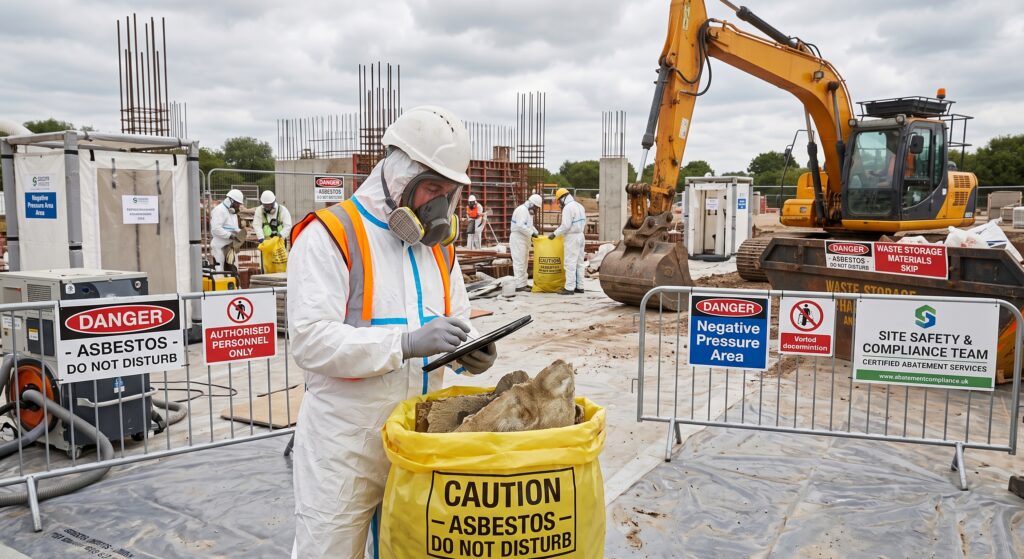
Asbestos is one of the most common site liabilities on urban infill and brownfield schemes, resulting from historical demolition waste or buried insulation materials.
Asbestos Category
| Remediation Method | LRR Eligibility |
|---|---|---|
Bound Asbestos (Chrysotile in Cement) | Soil screening, hand-picking, and certified off-site disposal. | Fully Eligible (150% Tax Deduction). |
Fibrous Asbestos (Amosite / Crocidolite) | Specialised hazardous soil capping, full containment excavation. | Fully Eligible (150% Tax Deduction). |
Airborne Fibre Suppression | Dust suppression misting units used during ground excavation. | Fully Eligible as a direct operational cost. |
Heavy Metals and Industrial Hydrocarbons
Former industrial sites—such as tanneries, metal foundries, auto repair shops, and gasworks—frequently contain elevated levels of heavy metals and hydrocarbons.
- Heavy Metals: Excavation or chemical stabilisation of soils containing lead, arsenic, cadmium, or hexavalent chromium.
- Hydrocarbons: Removal or bioremediation of soils saturated with diesel, petrol, lubricating oils, or coal tar residues that threaten underground water tables.
Case Study: Urban Mill Site Regeneration
A residential developer purchased an abandoned textile mill site. Soil samples revealed localised pockets of chrysotile asbestos and elevated lead levels from historical dye processes. Site remediation required specialised soil screening and the removal of 800 tons of impacted material, costing £145,000.
SeederHeights prepared an LRR submission documenting that the contaminants presented an active risk under local environmental guidelines. The claim generated £54,375 in Corporation Tax deductions, helping offset high waste disposal tariffs.
Ready to Maximise Your Land Remediation Relief?
Book a free 15-minute review with our specialist team. We’ll assess your eligibility and help you claim back your restoration costs—with zero hassle.